
Our Online
Music Courses
Explore our comprehensive online music courses, including guitar, piano, vocal, and classical singing.
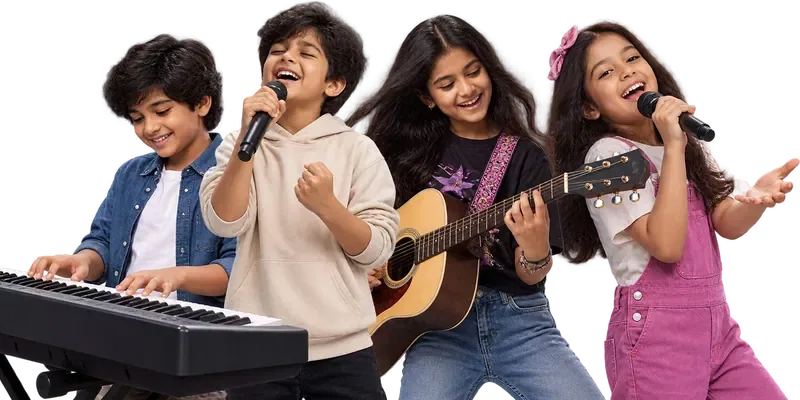


Trusted by 50K+ active learners across 25+ countries, with pathways to Artium, ABRSM, RSL and Trinity certification.


Discover the music you want to master.
Instruments
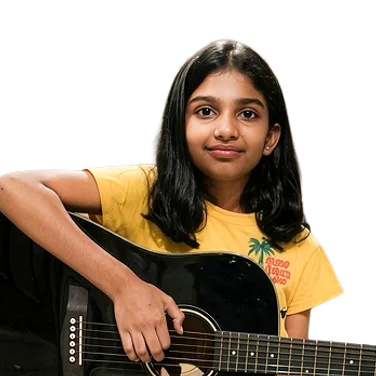
Guitar - Acoustic
Learn and be able to apply basic principles and techniques of Guitar in various styles.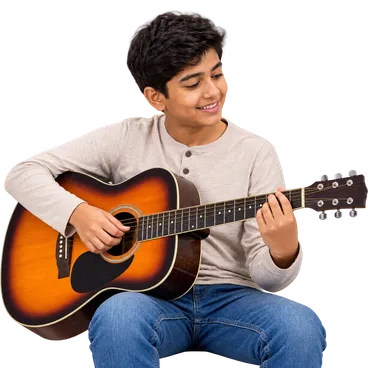
Guitar - Rock & Pop
Play the riffs, chords and solos of rock and pop, from your first power chords to full songs with a band sound.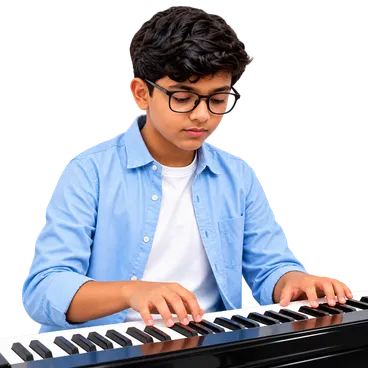
Piano
Learn classical and contemporary piano, from reading notes and scales to graded pieces, on a four-level path designed by Louiz Banks.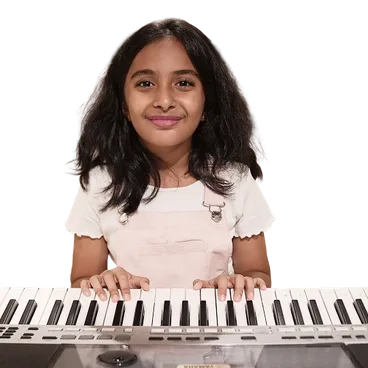
Keyboard
Learn to play melodies, chords and accompaniment on the keyboard across Western, Bollywood and contemporary styles.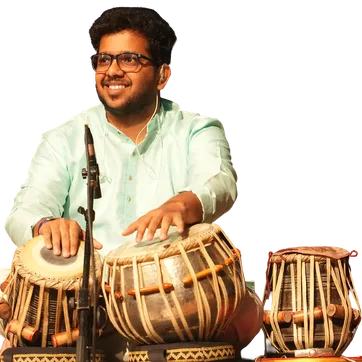
Tabla
Gain a wide knowledge to use the instrument in Hindustani music format in solo & accompaniment setup.


Indian Classical
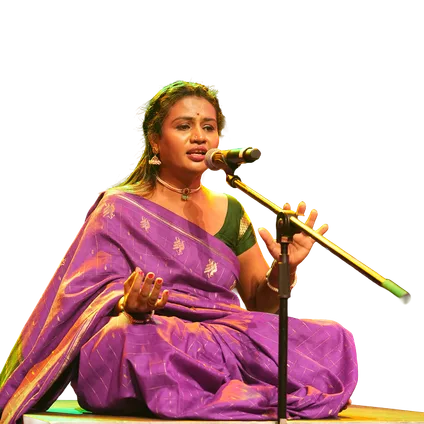
Hindustani Classical
This performance based and improvisation-oriented course will equip the student towards becoming an able Hindustani Classical vocal performer in Khayal and Thumri styles.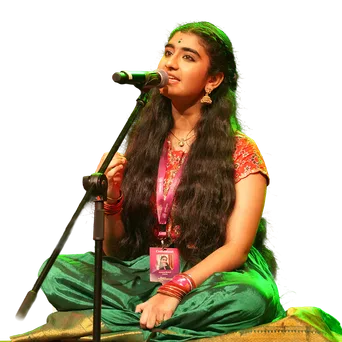
Carnatic Classical
A complete professional training program covering the entire span from Sarali Varisai to the most complex keerthanams, raga alapanai, niraval and Kalpana swaram.


Film Music

Hindi Film Music
A first of its kind in India – a Film Music training course that combines in-depth training in Hindustani Classical Music and Scientific Voice Training.
Tamil Film Music
A revolutionary training program in Tamil film music of all periods and styles. Offering a solid base of Carnatic Music Training and Voice Training.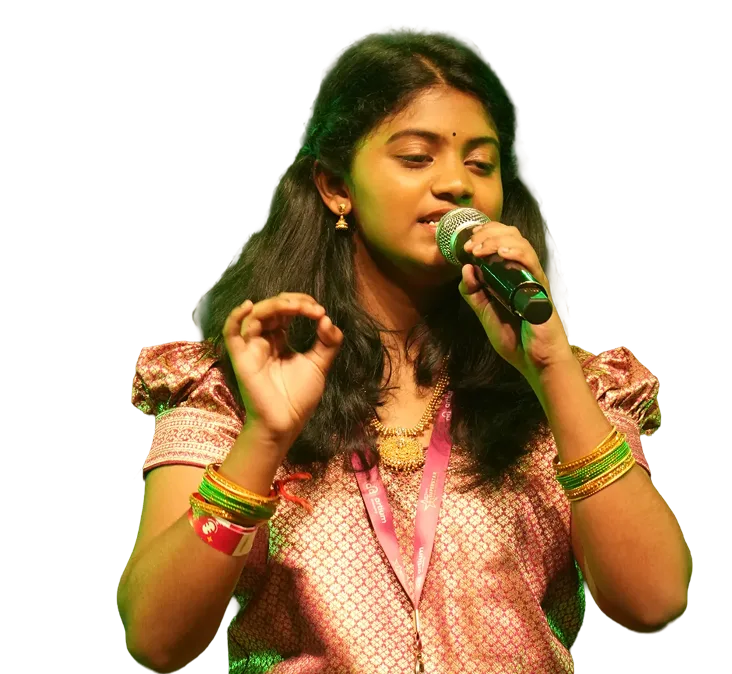
Telugu Film Music
From Ghantasala to Bahubali – decades of creativity and vocalism. Training in these styles offered with a solid base of Carnatic music and Voice Training.
Kannada Film Music
A unique course design – with a base of Carnatic music and Voice Training – offering the styles and genres of all periods of Kannada film history.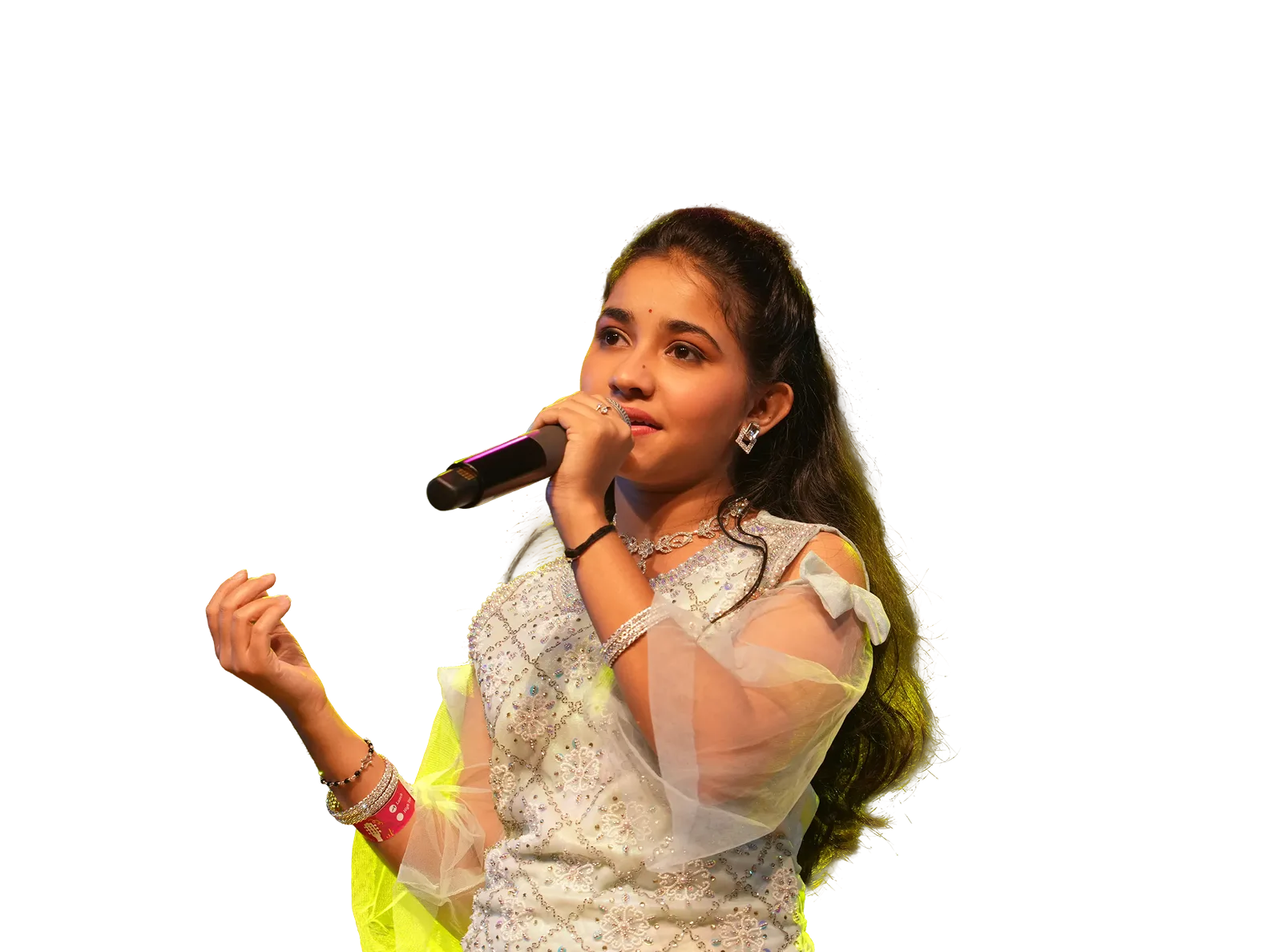
Malayalam Film Music
A newly designed training course for the most complex film music of India. Extensive training in all styles of the great composers along with Carnatic music and Voice Training.
Karaoke & Stage Skills
This course is specially designed for vast numbers of a new community of aspirants who have grabbed the opportunity presented by the karaoke track revolution.
Ghazal
A training program that will create repertoire knowledge, and stylistic command starting from simple elegant ghazals to the most complex styles of Ghazal.







Western
Devotional

Hindi Devotional
This course caters to a range of aspirations from the devotee who wishes to sing aratis, to the student who wishes to become a seasoned performer of devotional music.
South Devotional
Learn bhajans, kritis and devotional songs from the South Indian tradition, built on a solid base of Carnatic music and Voice Training.


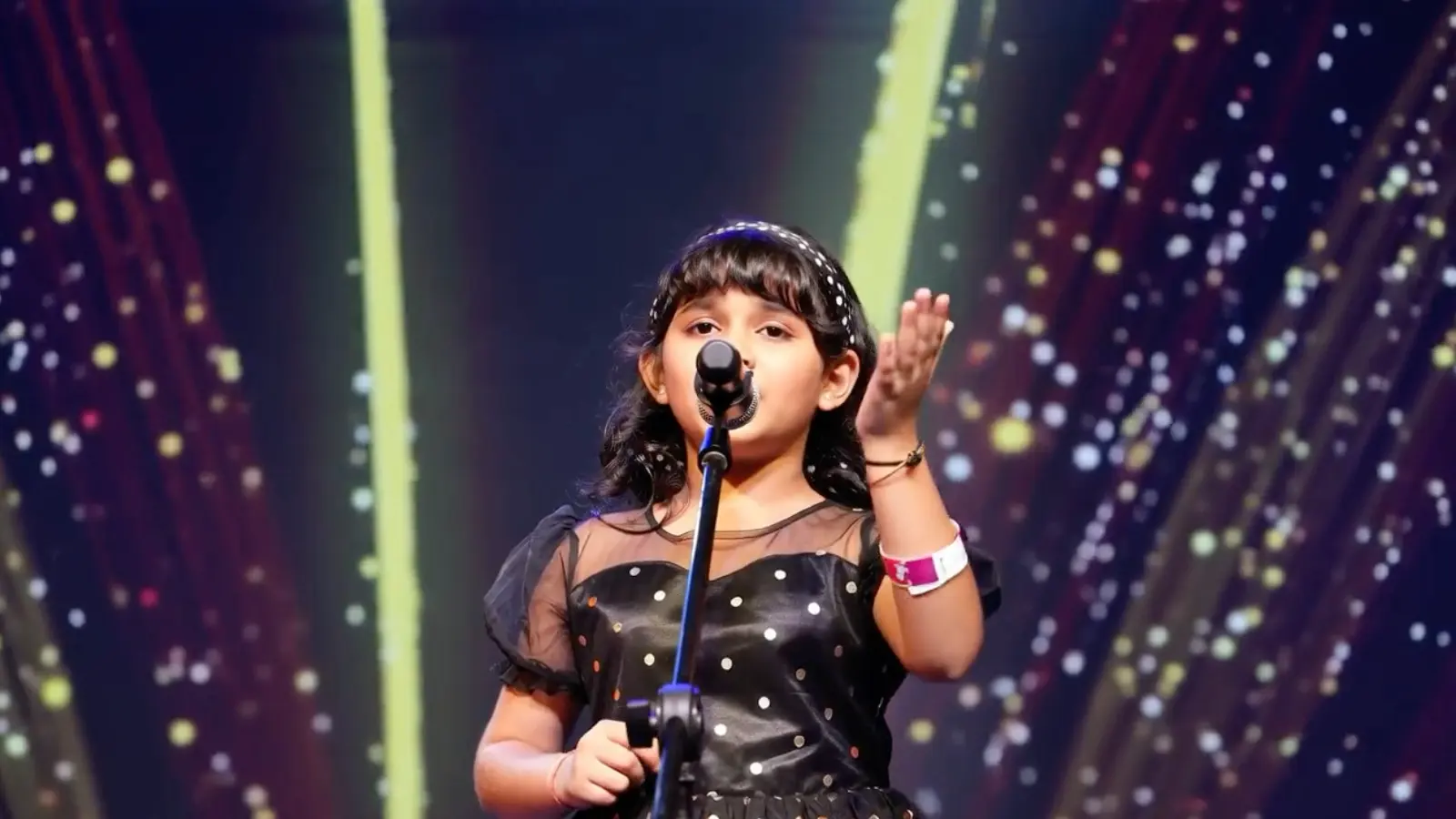

From first note to final symphony.
Begin your musical journey, at any age, with online music classes built for measurable outcomes.
Frequently asked questions.
What makes Artium different, how classes work, and what you earn along the way.
Learn Music Online with 1:1 Live Classes
Artium Academy offers live online music classes for kids and adults, so you can learn music online from anywhere in the world with a structured curriculum and 1:1 guidance from expert teachers. Our online vocal lessons and online instrument classes are designed for learners from beginner to advanced with flexible scheduling and step-by-step progress you can actually track.
Online Carnatic Classical Music
Want to learn Carnatic music online? Artium’s Carnatic music classes focus on swaras, talams, varnams and kritis in a structured way perfect for beginners to advanced players. In our Carnatic singing lessons, you work 1:1 with certified music teachers who help you build a strong foundation in shruti, gamakas and manodharma, so your Carnatic vocal practice feels clear and purposeful.
Online Hindustani Classical Music
For Hindustani classical music aspirants, our online music classes cover sargam, raag development, bandish, alaap and taans with a clear, graded approach. These Hindustani vocal lessons balance theory and riyaaz so you understand raag, taal and bandish, instead of just copying phrases, making them ideal singing classes for serious beginners and returning learners.
Online Hindi Film Music Classes
If Bollywood is your first love, our Hindi singing classes online help you sing film songs with better sur, rhythm and expression. In these Hindi singing lessons, teachers guide you through breathing, high notes, feeling, and pronunciation so your favourite songs stop sounding like karaoke and start sounding like real performances.
Western Vocals Singing Classes
Our online Western vocal classes are designed for learners who want to explore pop, rock, R&B and more through a proper Western vocal course online. With focused singing techniques, warm-ups and song work, you learn how to handle chest-head mix, pitch, timing and mic confidence in a structured way that goes beyond random tutorials.
South Film Music - Tamil, Telugu, Malayalam and Kannada
Our South film music program brings together different music styles from Tamil, Telugu, Malayalam and Kannada cinema into one structured online music course. You learn how to sing popular South film songs with authentic diction, style and feel while building core singing voice training in pitch, rhythm and expression that works across these diverse sets of languages.
South Devotional Music Classes
For all you aspirants interested in bhajans, keerthanas and other South devotional music, our live online vocal classes focus on clear pronunciation, bhava and steady shruti. These sessions are perfect for both kids and adults who want to connect spiritually through music while still following a structured curriculum with regular practice and feedback.
Online Piano Classes
Artium’s online piano classes help you learn piano online from scratch, even if you have never touched the instrument before. With a dedicated online piano teacher, you learn posture, finger placement, chords, rhythm and reading basics through piano lessons at home with options to follow a graded piano course from beginner to advanced.
Online Guitar Classes
For guitar aspirants, our online guitar classes and guitar lessons are built around 1:1 live sessions and clear daily practice plans. You can learn guitar from home at your own pace by working with an online guitar teacher on technique, chords and rhythm and follow a course that takes you from beginner to advanced, step-by-step.
Globally Recognized Music Programme & Certifications
Our globally recognized music programme (GRMP) gives you a choice between flexible learning or following a graded music course mapped to international standards. As you progress through levels in vocals & instruments, you can earn graded certifications that recognize your growth and help you build a serious, long-term music-learning journey.
Music Learning for All
From finding music classes for kids and structured learning for adults to live online music classes the whole family can enjoy, Artium Academy’s 1:1 online music lessons are designed to support learners of all ages and skill levels. With 1000+ certified teachers, flexible scheduling and one-on-one attention, you can learn music in a way that fits your life, while building real skills in voice or instrument.